Introduction: Is a Smart Home Worth It in Dubai?
Walk into almost any new development in Dubai today and smart features are part of the sales pitch: app-controlled lights, voice-activated curtains, AI-assisted air conditioning, and door locks that open with your phone. In 2026, smart technology is no longer a luxury extra. It is a baseline expectation for many buyers, tenants and investors.
But the first question every homeowner asks is the same: how much will it actually cost?
The honest answer is that smart home cost in Dubai ranges from roughly AED 3,000 for a basic apartment starter setup to well over AED 500,000 for a fully integrated luxury villa. That is a huge gap, so this guide breaks it down by property type, system, brand, and hidden cost, so you can build a realistic budget before you speak to a single installer.
Note: all prices below are indicative 2026 market ranges in UAE dirhams (AED), compiled from published Dubai installer and property-portal figures. Your final quote depends on your property, brands and scope. The AED is pegged to the US dollar at about 3.67 AED per USD.
Quick Answer: Smart Home Cost in Dubai at a Glance
| Property / Scope | Typical Cost (AED) | Approx. USD |
| Starter kit (studio or 1-bed, Wi-Fi/Zigbee devices) | 3,000 – 8,000 | $800 – $2,200 |
| 1-bed apartment, wireless retrofit | 5,000 – 12,000 | $1,400 – $3,300 |
| 2-bed apartment, wireless retrofit | 10,000 – 22,000 | $2,700 – $6,000 |
| 2–3 bed apartment, mid-range (lights, curtains, CCTV, audio, wall panel) | 15,000 – 50,000 | $4,100 – $13,600 |
| 3-bed townhouse or small villa, wireless | 20,000 – 45,000 | $5,400 – $12,300 |
| 3–4 bed villa, professional hybrid system | 70,000 – 120,000 | $19,000 – $32,700 |
| Full luxury villa (wired KNX / Control4 / Crestron) | 80,000 – 500,000+ | $21,800 – $136,000+ |
If you remember one thing: wireless retrofits are cheap and fast, while wired, fully integrated systems cost many times more but deliver reliability, polish and resale value.
What Does “Home Automation” Actually Include?
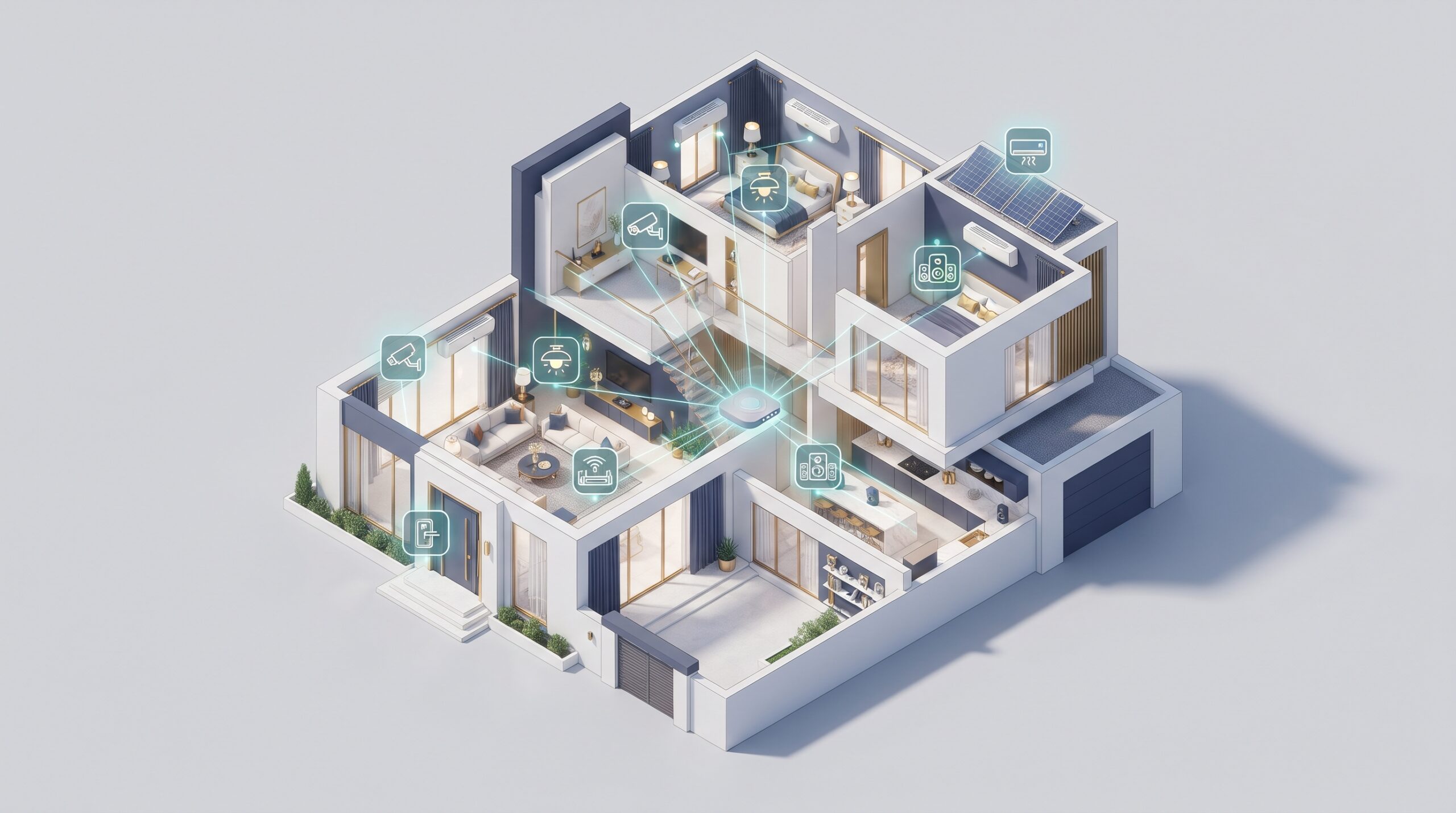
Before comparing prices, it helps to know what you are paying for. A smart home is usually built from these layers:
- Network backbone: reliable Wi-Fi, structured cabling and a good router or mesh system. Everything else depends on this.
- Lighting control: smart switches, dimmers, scenes (for example “Movie Night” or “Good Morning”).
- Climate control: smart thermostats and AC controllers, important in a city where cooling is the largest part of your DEWA bill.
- Shading: motorised curtains, blinds and roller shades.
- Security: video doorbell, CCTV, smart locks, sensors and alarms.
- Audio-visual: multi-room music, home cinema, TV and projector control.
- Energy and utilities: smart plugs, energy monitoring, leak sensors, solar and battery integration.
- Control layer: the app, voice assistant, wall panels and the “brain” (hub or processor) that ties it all together.
Wireless vs Wired: The Biggest Cost Driver
- Wireless systems (Zigbee, Z-Wave, Wi-Fi and the newer Matter standard) install without opening walls. They are ideal for apartments, rentals and existing homes.
- Wired systems (KNX, Control4, Crestron, Lutron and similar) run dedicated cabling to every switch, sensor and controller. They are best installed during construction or a major renovation, and they are far more stable and scalable for large villas.
Many Dubai installers now offer a hybrid approach: a wired backbone for critical areas such as lighting, AC and AV, plus wireless devices for add-ons.
Smart Home Cost in Dubai by Property Type
1. Studios and 1-Bedroom Apartments: AED 3,000 – 12,000
A typical basic package includes smart bulbs or switches, a video doorbell, a smart thermostat or AC controller and mesh Wi-Fi. At the very low end, a DIY-friendly kit built on smart plugs and bulbs can come in under AED 5,000. Some vendors also sell complete one-bedroom bundles at around AED 24,500 when they include a professionally installed, more integrated system.
2. 2–3 Bedroom Apartments: AED 10,000 – 50,000
Here you can add motorised curtains, CCTV, multi-room audio, door locks and a central wall panel or app dashboard. The spread is wide because curtain motors and audio zones are the items that quickly push a budget up.
3. Townhouses and Small Villas: AED 20,000 – 120,000
More rooms, more floors and more outdoor areas mean more devices, more network coverage and more programming time. A wireless retrofit of a three-bedroom villa can stay around AED 20,000–45,000, while a professionally designed system for a three to four bedroom villa often lands between AED 70,000 and AED 120,000.
4. Large Luxury Villas and Mansions: AED 80,000 – 500,000+
Full-scope projects with Control4, Crestron, KNX or Lutron, covering lighting, HVAC, security, shades, outdoor controls and cinema, start around AED 80,000 and can exceed AED 500,000 in ultra-premium homes in communities such as Palm Jumeirah, Emirates Hills or Jumeirah Golf Estates.
Cost Breakdown by System and Component
Use this table to estimate your own scope. Figures are indicative installed prices and vary by brand.
Component Typical Cost (AED) Notes Smart switches / dimmers (wireless, per point) 150 – 600 Brands such as Aqara, Sonoff, Philips Hue, Lutron Caseta Smart lighting (wired KNX / Lutron, per circuit) 800 – 2,500 Higher cost, higher reliability Smart thermostat / AC controller (per zone) 400 – 2,500 Wi-Fi or IR controllers are cheapest; BMS-integrated cost more Motorised curtains / blinds (per window) 1,500 – 6,000 Fabric, motor brand and track length matter Video doorbell 400 – 1,500 Basic Wi-Fi models to premium Smart door lock 800 – 3,000 Fingerprint, PIN, app and key-card CCTV (4–8 cameras) 2,000 – 8,000 Higher with AI analytics and cloud storage Structured cabling and enterprise Wi-Fi (large villa) 5,000 – 20,000 Often overlooked in budgets Multi-room audio (per zone) 3,000 – 15,000 In-ceiling speakers and amplifiers Home cinema room 25,000 – 150,000+ Projector or screen, acoustics, processor Central controller / hub / processor 1,500 – 25,000 Home Assistant or Hubitat at the low end, Control4/Crestron at the high end Wall touch panels (each) 1,500 – 7,000 Optional but popular in villas Programming and commissioning 10–25% of equipment Skilled programming is the hidden value 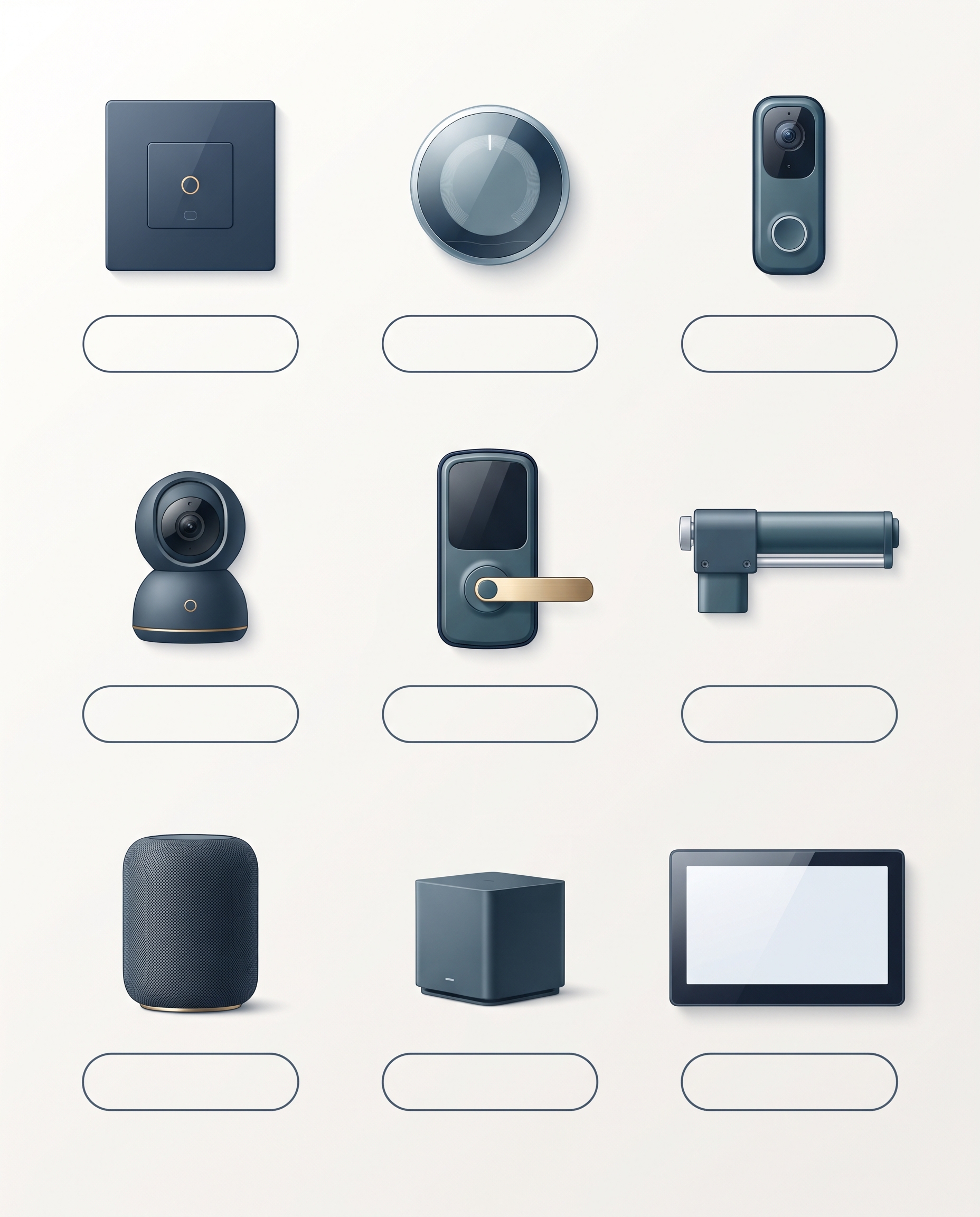
7 Factors That Decide Your Final Price
- Property size and layout: more rooms and floors means more devices and more cabling.
- Wired or wireless: wired is a bigger investment but usually more reliable over 10+ years.
- Brand tier: budget (Aqara, Tuya, Sonoff), mid-range (Philips Hue, Somfy, Shelly), premium (Lutron, Control4, Crestron, KNX with Gira, Jung or ABB hardware).
- Level of integration: controlling separate apps costs little. Unifying everything into one interface with scenes and automations costs more.
- New build or retrofit: adding wiring after the walls are finished raises labour cost. One industry estimate suggests building automation in during construction can save around 45% compared with retrofitting later. Treat that as a rough guide, not a guarantee.
- Customisation: bespoke app design, custom interfaces and complex logic add programming hours.
- Installer quality: certified integrators charge more than general handymen, but they typically deliver cleaner installs, proper documentation and after-sales support.
New Build vs Retrofit: Which Is Cheaper in Dubai?
New build or off-plan: Several major developers already include wired smart-home infrastructure in premium villas and apartments, and some, such as KNX-based systems, let owners customise the network after handover. If you are buying off-plan, ask the developer exactly what is pre-wired, which protocol it uses and whether you can add to it.
Retrofit: Modern wireless protocols mean you can automate an existing home without breaking walls. It is faster, usually completed in days or a few weeks, and kinder to a tenant’s budget. The trade-off is that very large homes may suffer from signal reliability and “app overload” if the system isn’t well planned.
New Build / Renovation Wireless Retrofit Upfront cost Higher (full scope) Lower, can phase over time Install disruption Minimal (walls open) Low Reliability Excellent Good (depends on network) Scalability Excellent Moderate Best for Villas, owners, long-term Apartments, rentals, starter homes Hidden and Ongoing Costs Most Guides Don’t Mention
- Annual maintenance contracts: commonly 10–15% of the initial installation value for professionally installed systems.
- Software and cloud subscriptions: camera storage, premium app features and some control platforms charge monthly or yearly fees.
- Network upgrades: a weak router can cripple a smart home. Budget for mesh or enterprise Wi-Fi.
- Replacement of batteries and sensors: small, but they add up across dozens of devices.
- Building and community approvals: in apartments and managed communities, check landlord, owners’ association and developer rules before drilling, wiring or changing external-facing devices.
- Programming changes: if you want new scenes or devices later, some integrators charge hourly.
- Obsolescence: closed ecosystems can become unsupported. Open standards such as Matter and KNX reduce this risk.
Is It Worth It? Savings and Return on Investment
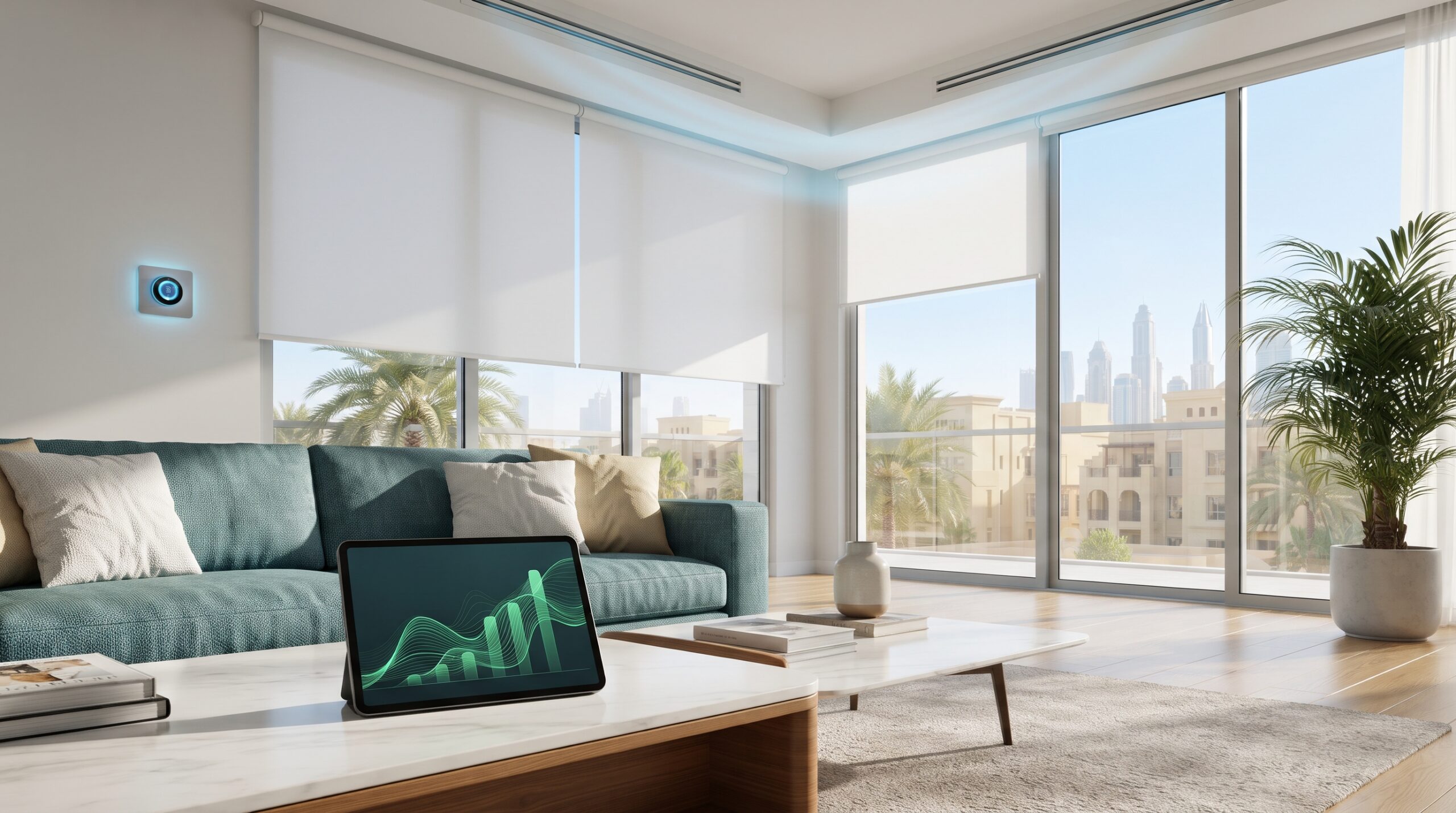
Energy savings. Cooling dominates Dubai electricity use. Smart thermostats, occupancy sensors and automated shades that block afternoon sun can reduce wasted cooling. Savings depend on your habits and home, so be wary of installers promising a fixed percentage. DEWA’s own tools also let residents monitor consumption digitally, which pairs well with energy dashboards in your home system.
Property value and rent. Smart features increasingly influence how quickly a property sells or rents, especially to international investors and young professionals. Some market commentary suggests a fully automated two-bedroom apartment can support noticeably higher rent and shorter vacancy periods. Treat any specific uplift figure as an estimate, since results vary by building and market.
Security and peace of mind. Remote camera access, instant door alerts, leak sensors and a “home alone” simulation while you travel are practical benefits for expats who spend months away.
Convenience. Scenes that close curtains, dim lights and set the AC at the touch of one button are what most owners say they love most.
Three Sample Budgets for Dubai Homeowners
Budget A: Smart 1-Bedroom Apartment (about AED 8,000)
- Mesh Wi-Fi: AED 1,200
- 8 smart switches or bulbs: AED 2,000
- Video doorbell: AED 900
- Smart AC controller: AED 700
- Smart plugs and sensors: AED 800
- Hub, voice assistant and setup: AED 2,400
Budget B: Mid-Range 3-Bedroom Apartment or Townhouse (about AED 35,000)
- Network upgrade: AED 3,500
- 25 smart lighting points: AED 8,000
- 4 motorised curtains: AED 10,000
- CCTV (6 cameras): AED 5,000
- Smart lock and doorbell: AED 3,500
- Climate control and sensors: AED 2,500
- Programming and setup: AED 2,500
Budget C: Premium 5-Bedroom Villa (about AED 250,000)
- Wired lighting and shade control: AED 90,000
- Climate and energy management: AED 25,000
- Security, CCTV and access: AED 30,000
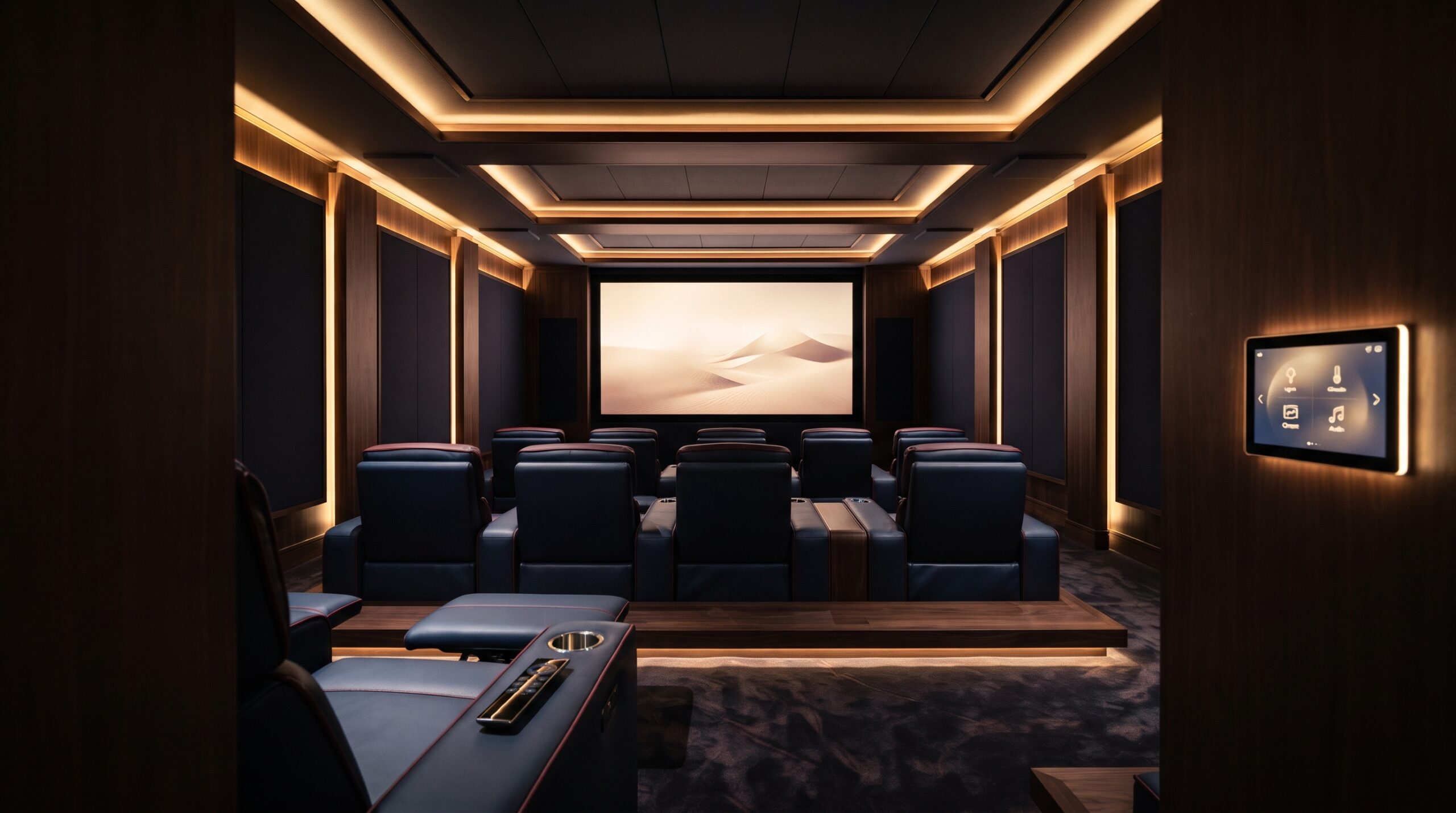
- Multi-room audio and home cinema: AED 70,000
- Network and structured cabling: AED 15,000
- Programming, touch panels and commissioning: AED 20,000
These are illustrative examples to help you plan, not quotes.
9 Smart Ways to Lower Your Smart Home Cost in Dubai
- Start with the “big four”: lighting, AC, curtains and security. Add the rest later.
- Choose open standards. Matter, Zigbee and KNX protect you from being locked into one brand.
- Phase the project. Install the network and wiring first, devices later.
- Automate during fit-out. If you are renovating, bring the integrator in before the electrician finishes.
- Mix premium and budget brands. Spend on lighting control and the hub, save on sensors and plugs.
- Compare at least three written quotes with itemised equipment and labour.
- Ask about bundles and package pricing. Many installers discount by apartment size.
- Check warranty and support terms. Cheap now can mean costly later.
- Buy from authorised distributors in the UAE to protect warranty and avoid grey-market stock.
How to Choose a Smart Home Installer in Dubai
Ask every company these questions:
- Are you an authorised or certified partner of the brands you recommend (Control4, Crestron, KNX, Lutron, Somfy)?
- Can I see completed projects similar to mine, and speak to past clients?
- Is your quote itemised (equipment, cabling, labour, programming, warranty)?
- Who owns the programming and admin access to my system?
- What does your after-sales support and maintenance plan include?
- Will you leave me with documentation, wiring diagrams and passwords?
Red flags: vague quotes, pressure to pay a large deposit upfront, no written warranty, refusing to share admin access, and promises of guaranteed energy savings.

Frequently Asked Questions
How much does a basic smart home cost in Dubai? A basic apartment setup with smart lighting, a video doorbell, a thermostat or AC controller and mesh Wi-Fi typically costs around AED 3,000–8,000.
How much does it cost to automate a villa in Dubai? A wireless retrofit of a small villa may cost AED 20,000–45,000. A professionally designed system for a three to four bedroom villa is often AED 70,000–120,000, and full luxury automation starts near AED 80,000 and can pass AED 500,000.
Is Control4 or KNX more expensive? Both are premium wired platforms. Costs depend on scope and hardware choices, so compare itemised quotes. KNX is an open standard with many compatible brands, while Control4 and Crestron are more closed, dealer-supported ecosystems.
Can I make a rented apartment smart? Yes. Wireless devices such as smart plugs, bulbs, plug-in AC controllers and battery-powered sensors need no wiring. Always check your tenancy contract and get landlord permission for anything that changes fixtures.
How long does installation take? A wireless apartment retrofit usually takes a few days to a couple of weeks. A full villa project can take one to three months or more depending on cabling and programming.
Do smart homes really save electricity in Dubai? They can, mainly by controlling cooling more intelligently and reducing waste. Results depend on your lifestyle and home, so ask for realistic estimates rather than guarantees.
Do smart homes increase property value? Often they make a property more attractive and faster to sell or rent, particularly in the mid-to-premium market, though the exact value uplift varies.
What is the annual maintenance cost? Professional maintenance contracts commonly run about 10–15% of the original installation value per year.
Is it safe? What about hacking and privacy? Use strong passwords, a separate network for smart devices, two-factor authentication, regular firmware updates and reputable brands. Ask your installer how remote access is secured.
Conclusion: Plan Smart, Spend Smart
Smart home cost in Dubai is not one number. It is a spectrum from a few thousand dirhams for a clever apartment starter kit to hundreds of thousands for a fully integrated luxury villa. The best results come from three simple steps: define your priorities, choose open and reliable technology, and get itemised quotes from certified installers.
Ready to find out what your own home would cost? Request a free consultation and site survey, and we’ll build a tailored, itemised smart home quote for your apartment or villa.